From deserted casinos to gambling on my phone, this isn’t the Vegas we were promised.
By Valentina Castro-Pastora
The smell hits first. Cigarettes, recycled air, something vaguely sweet and burnt. Workers everywhere, from street performers to cocktail servers, ready to sell you whatever version of escape you’re looking for. Blinding lights. Endless casinos calling your name.
Smoke and mirrors. This is Vegas.
Or at least, what Vegas used to be.
Pulling into the hotel’s self-parking garage, I paid twenty-one dollars a day and wondered if the city I’d heard so much about was already gone. Four days in Las Vegas felt like enough time to figure out the answer. If Vegas was dying, I wanted to know who pulled the trigger.
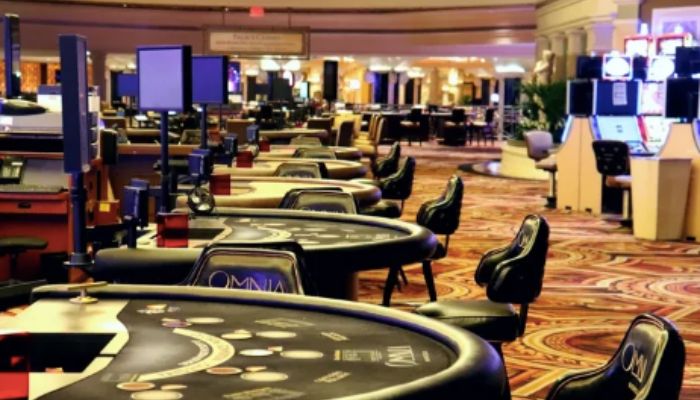
I started where the money usually talks loudest: the high-limit room. On a normal night, Resorts World’s high-limit room can move anywhere from $1 million to $5 million. But as I walked in, that number felt impossible. Tables were closed. Dealers sat idle, chatting among themselves while pit bosses hovered. The few open tables were empty, save for the occasional lone gambler.
During a session, I asked a dealer how business had been. She admitted she avoided the Strip on her days off.
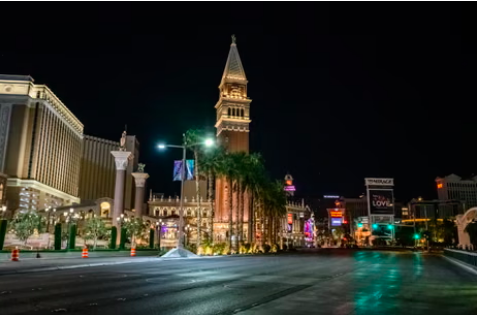
“Even on a busy weekend like this, with F1 here, it’s slow,” she said, dealing herself a four-card 21 to my 20. I checked the time, half-expecting I’d lost hours to the Vegas time warp. It wasn’t even midnight. Not a single table had more than one player. Where did all the gamblers go?
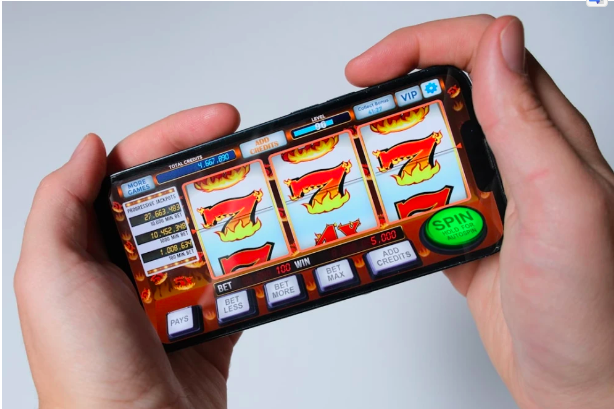
The next morning, we rushed to MGM for college basketball games. A fifteen-minute cab ride cost $35. Multiply that by every dinner, bar, or activity, and the math adds up fast. Before heading into the arena, I did what anyone in Vegas does: I tried to place a bet. I hadn’t even reached a machine before an MGM representative pulled me aside. “Have you downloaded our new app?” he asked, handing me an iPad. It took a moment to sink in. I was standing inside one of the most famous sportsbooks in the world, ready to hand cash to a real person, hoping for a tangible betting slip. Instead, I was being funneled into MGM’s online casino. Minutes later, after multiple identity checks, the entire sportsbook lived on my phone. Odds, parlays, deposits, withdrawals. All of it. No line. No dealer. No interaction.
I was disappointed, but not surprised.
Online gambling has exploded. The industry jumped from $37.5 billion in 2015 to $81 billion in 2023, with no slowdown in sight. Gen Z and Millennials make up the majority of users. For a generation raised on convenience, these apps are designed to win.
So why walk the Strip at all?
Vegas has actually gotten younger. The average visitor age dropped from 46.9 in 2019 to 40.7 in 2022, and Millennials made up nearly half of all visitors in 2024. Hotels are chasing younger guests, leaning into tech-forward experiences. But when you can gamble from your bed, why leave the room?
Honestly, that’s exactly what happened. One morning, my boyfriend paid for the hotel spa entirely through his phone.
That’s when it hit me: why even book the room?
I wanted to find the Vegas I grew up hearing about. My parents driving all night just to wander Fremont Street. My grandparents meeting celebrities over martinis and oysters. A city that was indulgent but alive.
Vegas is still home to world-class restaurants and beautifully curated bars, so I planned ahead. Reservations booked weeks in advance. I assumed walk-ins would be impossible. They weren’t. Some of the most talked-about restaurants on the Strip were half-empty at dinner hour. I could’ve walked into almost any spot. In a city once built on exclusivity, the illusion felt thin.
Still, I held onto hope. A great steak and a well-made cocktail can soften almost any loss.
Until the bill arrives.
Cocktails routinely cost $18 to $25. “Premium” drinks push past $50.
Add an appetizer, a main, maybe dessert, and suddenly you’re spending $200 for a meal for two. Before you ever touch a blackjack table, you’re already hundreds of dollars in. By the time we drove home five hours later, full, tired, and broke, the conclusion felt unavoidable.
Vegas is bleeding.
Between virtual gambling, hollow luxury, and prices that no longer justify the experience, the city feels more like a simulation of itself. New hotels may attract younger visitors, but there’s less and less reason to stay. All that’s left is hope that the city once burning bright in the desert finds its spark again.
Valentina Castro-Pastora is part of the Gen Z Voices generation with aspirations of pursuing a career in journalism.